7 ways Google Ads can influence marketers’ decisions
Google Ads promotional credits disappear after advertisers meet promotional requirements

Amazon Tests Advertising on ChatGPT Through Amazon DSP
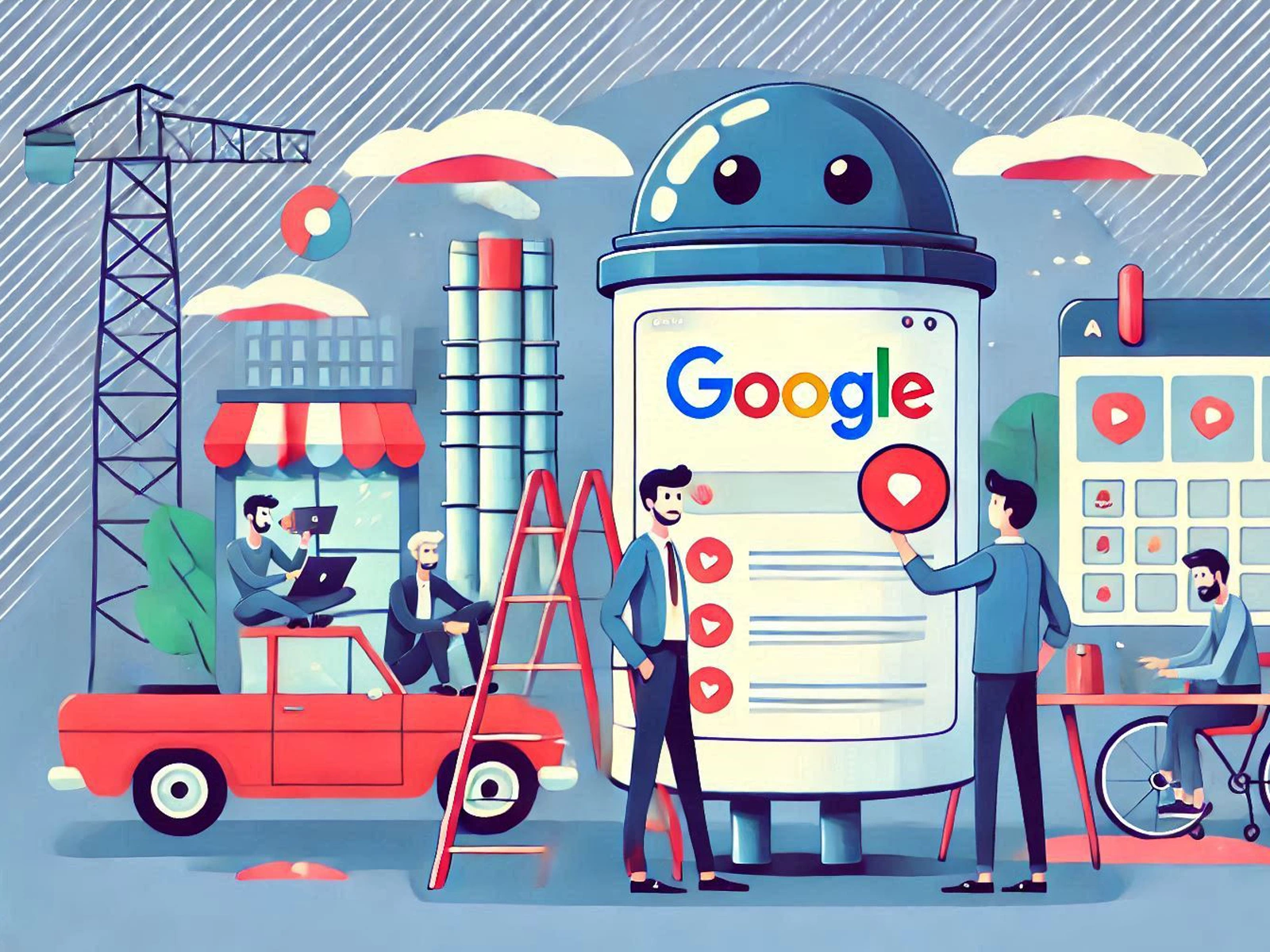
Google has released a preliminary roadmap for Google Ads API updates through 2025, outlining five major releases planned throughout the year, allowing developers and advertisers to prepare for the changes in advance.
The roadmap includes three major releases and two interim updates. Each version will have a standard 12-month support period. Key dates:
Major Versions:
Intermediate updates:
For developers and advertisers, this roadmap serves as a critical tool for planning resources, ensuring compatibility, and avoiding potential disruptions in operations. A clear update schedule minimizes unpredictability and facilitates smooth adaptation to changes.
1. Gradual Rollout:
A structured release schedule aligns with Google’s established practice of quarterly updates, providing sufficient time for developers to adapt to new features.
2. Transition Periods:
Each version includes a 12-month transition period before support ends, enabling a gradual switch to current API versions.
3. Preliminary Nature of the Plan:
Although the roadmap appears clear, Google emphasizes that it may change. Some versions might be added, altered, or canceled based on user needs and technical circumstances.
To stay ahead, developers should:
Google Ads API updates affect not only developers but also marketers, as they determine campaign functionality, analytics, and automation. Here are some recommendations to help marketers prepare:
If your team lacks in-depth technical expertise, work with UAMASTER. Our specialists can:
Given technological advancements, future Google Ads API updates are expected to focus more on automation and artificial intelligence. This will open up new opportunities for campaign optimization and provide advanced analytics tools.
Google’s transparent policy on API release planning demonstrates its commitment to developer and advertiser convenience. By planning ahead and adopting the right adaptation strategy, your ad campaigns will remain successful despite any changes.
This article available in Ukrainian.
Say hello to us!
A leading global agency in Clutch's top-15, we've been mastering the digital space since 2004. With 9000+ projects delivered in 65 countries, our expertise is unparalleled.
Let's conquer challenges together!
performance_marketing_engineers/
performance_marketing_engineers/
performance_marketing_engineers/
performance_marketing_engineers/
performance_marketing_engineers/
performance_marketing_engineers/
performance_marketing_engineers/
performance_marketing_engineers/