
Localization of E-E-A-T Factors in the Era of AI-Powered Search

How to Avoid Fatal Mistakes with Your Performance Max Structure

Google Expands Conversion Lift to Search and Performance Max Campaigns
Selling on Amazon isn’t just about having a great product, it’s also about speaking the platform’s language.
While SEO remains a key element for visibility, content compliance with the platform’s policies is becoming increasingly important. One bad term can get your listing hidden or blocked altogether.
Over the past five years, Amazon has significantly tightened its control over product descriptions’ compliance with internal standards.
From common words to industry terms, many of them can now trigger:
And most often, sellers don’t even suspect that they’ve violated the rules — simply because they used phrases that are considered completely normal in other e-commerce channels.
It’s important not to shy away from accurate descriptions. If a word really captures the essence of the product, use it, but be prepared to document it.
That’s why a deep understanding of Amazon’s internal policies is a competitive advantage, not a bureaucratic formality.
One of the most common mistakes sellers make on Amazon is using words that otherwise seem safe but are considered regulated on the platform. This is especially true for pesticides and antibacterial products, where Amazon’s policies are based entirely on EPA regulations.
Amazon’s definition of a “pesticide” includes products that:
For example, if you describe your soap as “antibacterial” or say it “prevents mold,” Amazon will classify the product as a pesticide and you will need to provide an EPA registration number.
You will receive a performance alert — a notification about non-compliance.
Amazon will ask you to:
Without appropriate action, the listing will be suppressed or removed.
Important: Amazon checks not only the listing text but also the packaging images. If the label says “antibacterial,” this can also trigger a block.
How to Avoid Problems: Simple Tips for Marketers and Content Teams
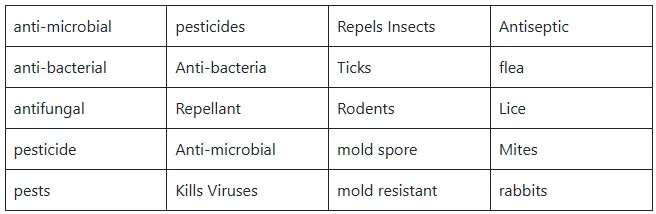
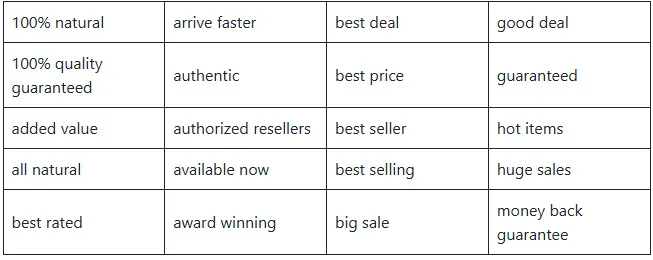
Below are some examples of terms that can trigger warnings, violations, or pesticide-related listing suppressions:
The children’s products category on Amazon is one of the most strictly regulated. If you work in this segment or even accidentally fall under this category, be prepared for additional compliance checks related to CPSC (U.S. Consumer Product Safety Commission) safety requirements.
Amazon may require:
This means that if you sell a set containing a toy, a bottle, and a soft blanket, each item must have its own documentation package, not just one overall certificate.
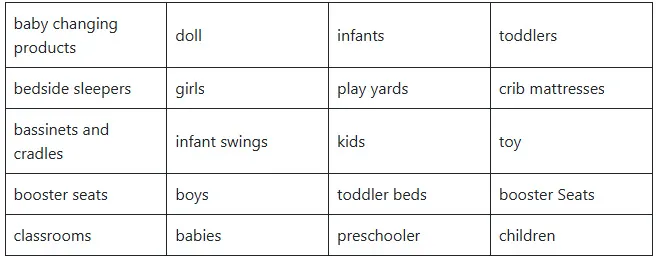
Amazon reviews not only the product category but also backend keywords. Even if the product is intended for adults, if it contains keywords such as:
the system may automatically classify it as a children’s product.
In such cases, simply removing the keywords may not be enough. You could face listing suspension and will need to prove that your product does not fall under children’s product regulations.
Tips for marketers and sellers
Amazon doesn’t just react to bold claims in product descriptions. In some cases, the use of specific technical terms automatically triggers regulatory compliance checks. These are not outright bans but rather “red flags” indicating that the platform expects official documentation.
Common triggers include:
In all these cases, Amazon expects documentation before the listing appears in search results. Even if your product seems harmless, the presence of any of these terms will automatically initiate additional scrutiny.
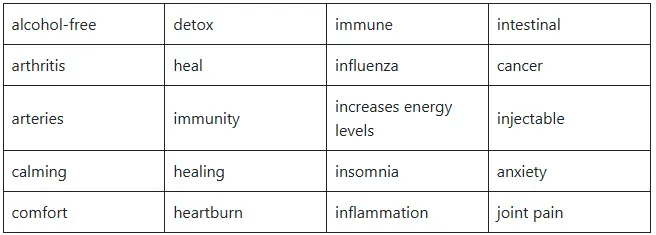
If you state that your product:
Amazon classifies these as medical claims regulated by the FDA. Without clinical studies, licenses, or approvals, your listing will be either suppressed or removed.
Important: Packaging and visuals are also reviewed. If your box or images say something “heals” or “treats,” simply removing those claims from the listing won’t resolve the issue.
Marketer Tips: How to Avoid the Regulatory Trap
Ось переклад вашого тексту англійською мовою для блогу:
Some products or entire categories may be banned from sale on Amazon—regardless of how you describe them. These restrictions arise from both legal regulations and Amazon’s internal policies.
For example, California’s strict environmental laws often influence Amazon’s policies across the entire U.S. platform, even if you don’t plan to sell in that state.
Amazon can remove your product immediately, change policies without notice, and often will not accept appeals based on arguments like “Competitors are selling the same item.”
If you spot questionable listings, that doesn’t guarantee they are legal—most likely it’s a temporary loophole that will soon be closed.
Excessive Claims: How Unsubstantiated Statements Harm Your Brand
At first glance, phrases like “best,” “perfect,” or “ultimate” may seem like harmless marketing. But on Amazon, these claims pose risks of misleading information.
Use specific, verifiable facts instead of vague claims.
Incorrect: “The best toothpaste for sensitive teeth”
Correct: “Contains 5% potassium nitrate — an ingredient certified by the ADA to reduce sensitivity”
Amazon strictly regulates not only what you sell but also how you talk about it.
When you sell a product on Amazon, the listing is considered shared property among all sellers offering that item. Therefore, the listing must not include:
Even backend keywords (invisible to customers) must comply with Amazon’s rules. Trying to circumvent rules via backend content is also a violation.
Using competitors’ brand names in your listing is almost always a violation, except for clearly defined exceptions:
Allowed if:
Prohibited:
Competitors can file intellectual property infringement claims, which may lead to your listing being blocked or, in severe cases, account deactivation.
Do not ignore it — take immediate action.
For all the high-risk categories we’ve discussed — medical claims, children’s products, pesticides, and more — having the right documentation is your strongest defense.
Tip for teams: Create a centralized internal database
Organize all your documents in a shared space — Google Drive, Notion, or another cloud storage. This saves valuable time when you need to respond quickly to Amazon requests.
Success on Amazon is not just about having a great product or SEO optimization. It’s about striking the right balance between marketing and platform rules.
What to do right now:
You might need to tone down emotional language or invest in extra certifications. But this will ensure:
Better to be cautious and compliant than flashy and risky.
Amazon does not tolerate improvisation when it comes to health, safety, or compliance standards. Although policies may seem strict, they protect buyers — and protect you from unfair competitors.
Before launching new products, make sure your listings meet Amazon’s content and compliance requirements. Mistakes in descriptions can cost you sales — or even your account.
Our team offers consulting services for:
We help you avoid risks and build a stable sales strategy. Contact us for an audit or personalized advice tailored to your products.
This article avaliable in Ukrainian.
Say hello to us!
A leading global agency in Clutch's top-15, we've been mastering the digital space since 2004. With 9000+ projects delivered in 65 countries, our expertise is unparalleled.
Let's conquer challenges together!
performance_marketing_engineers/
performance_marketing_engineers/
performance_marketing_engineers/
performance_marketing_engineers/
performance_marketing_engineers/
performance_marketing_engineers/
performance_marketing_engineers/
performance_marketing_engineers/